Can a roofer repair soffit and fascia?
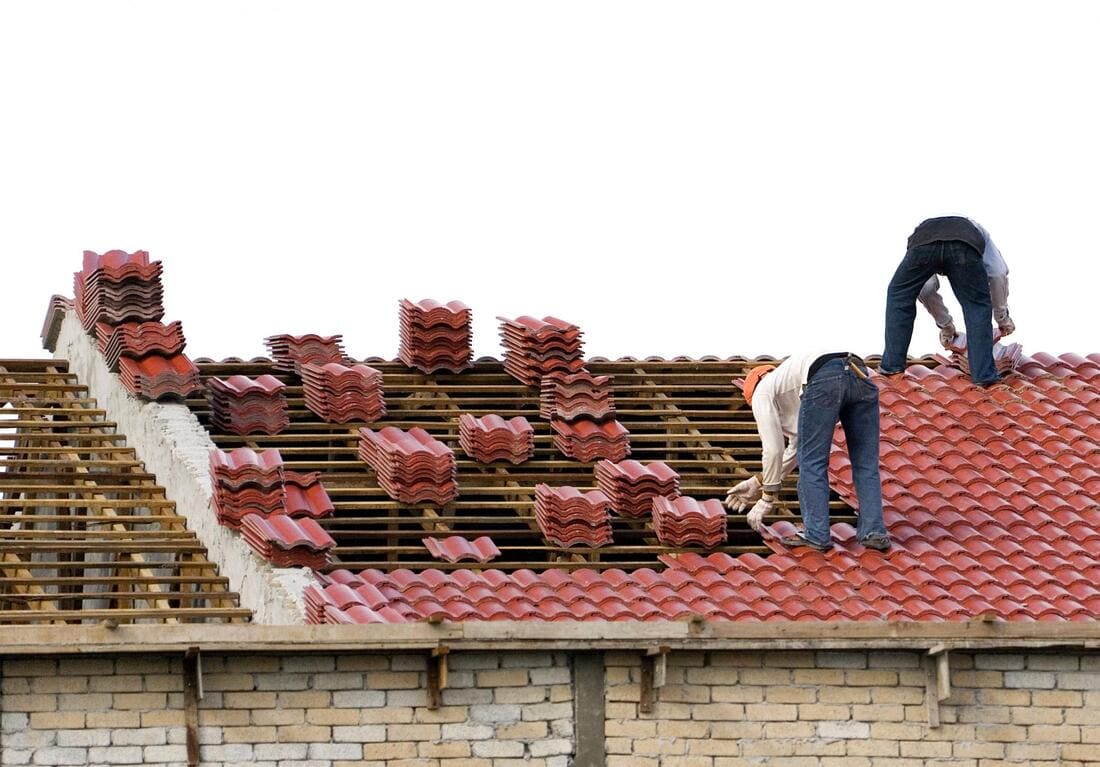
Many roofing contractors handle roof-edge fascia, soffit, and trim repairs connected to roof or gutter work. The final scope depends on material, access, and hidden damage.
Siding repair in Kissimmee often means more than wall panels. Many local exterior calls involve soffit, fascia, stucco transitions, trim, wall flashing, and roof-edge water that appears after wind-driven rain. The assigned contractor can evaluate whether the issue belongs to roofing, gutters, exterior trim, or a combined scope.
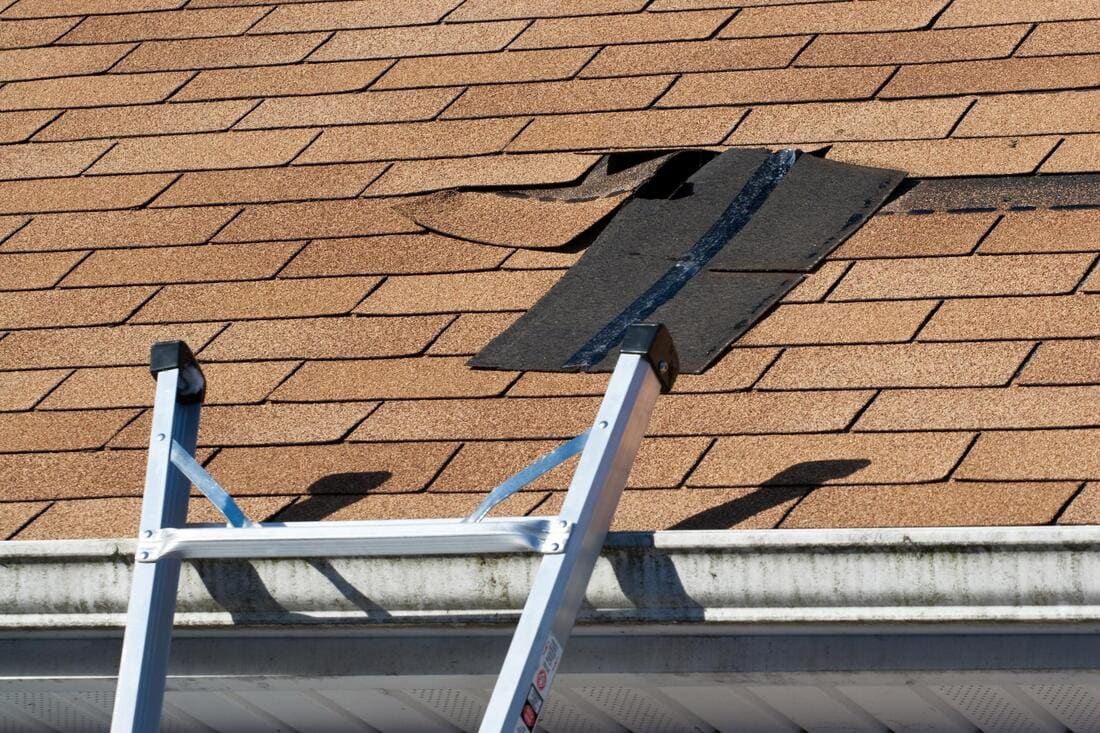
This matters because a wall stain below the eave may not be a wall failure. Water can enter at roof flashing, travel behind fascia, then appear on stucco or siding several feet away.
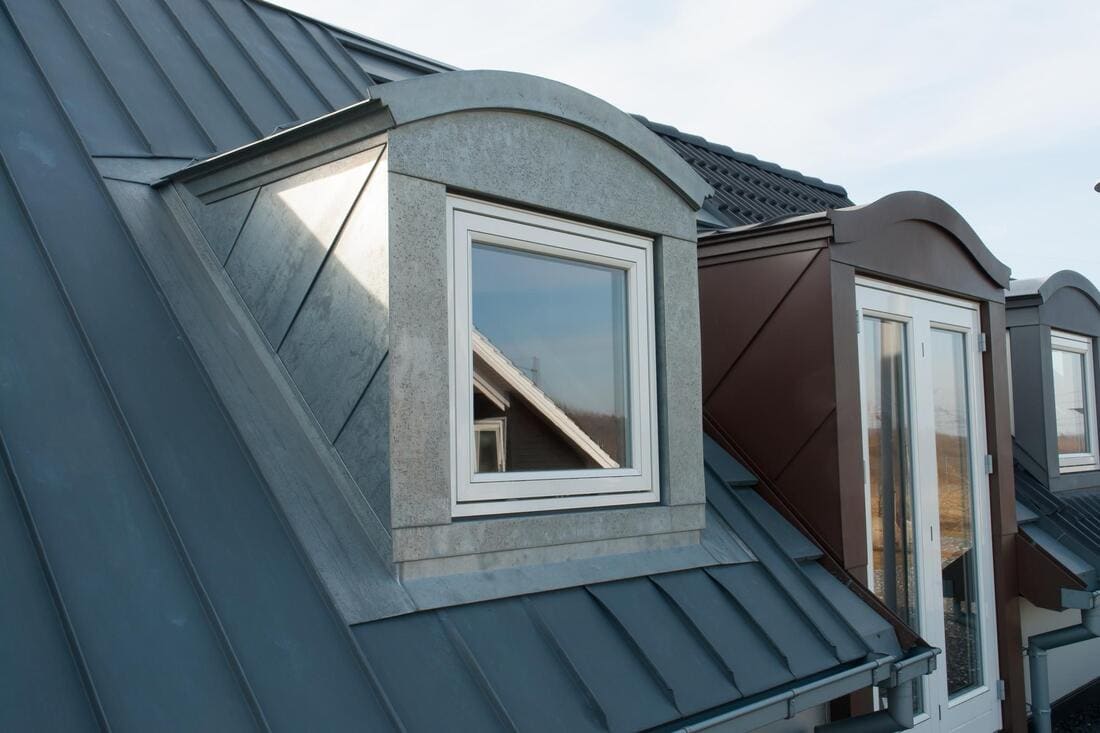
Vinyl, fiber cement, stucco trim, wood fascia, and aluminum soffit each need a different repair approach. The quote should identify the material, whether matching is realistic, and whether hidden moisture needs to be opened before the exterior is closed.
If a roof repair is already planned, coordinate exterior repairs at the same transition. Replacing a fascia board before correcting the roof-edge leak can send the same water into new material.

Vacation-rental homes and HOA neighborhoods may need color matching, exterior approval, and careful scheduling around guest arrivals. Send photos from the ground, community requirements if known, and access notes so the contractor can price the correct exterior scope.
A good proposal separates urgent water-entry repairs from cosmetic matching. That helps owners decide what must happen before the next storm and what can be scheduled with broader exterior maintenance.
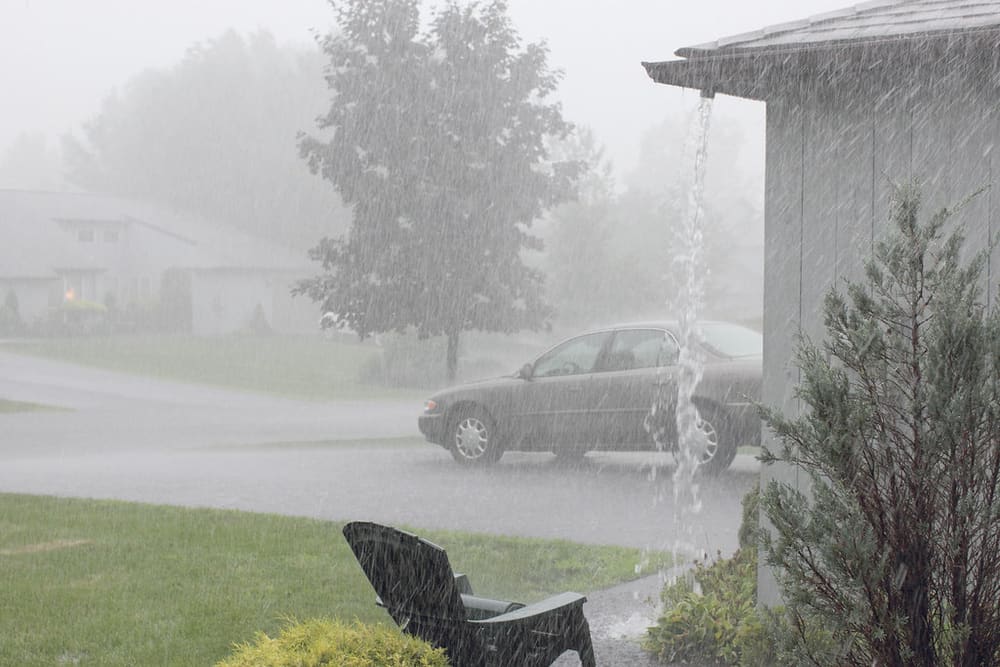
Wind-driven rain can cross several assemblies before it becomes visible. Water may enter at a roof-to-wall joint, move behind fascia, wet a soffit return, and finally mark stucco or interior drywall. Replacing the lowest damaged piece first can leave the opening above it untouched. The inspection should trace from roof plane to wall, eave, gutter, and interior symptom.
If the source begins on the roof, use roof leak repair to rebuild the failed flashing or covering before closing the wall edge. If overflow or soft fascia is involved, coordinate with gutter drainage work. A broader post-storm review belongs with storm damage documentation, using factual photos and no promises about insurance coverage.
The written exterior scope should name the material, damaged area, hidden-moisture assumptions, matching limits, removal method, and the sequence of roof, fascia, soffit, and wall work. Rental owners should add guest windows and manager authority. HOA owners should provide the applicable exterior requirements before materials are ordered, without delaying temporary water control when the opening is active.
Call (321) 321-1909 with ground-level photos and the room or exterior elevation where water appears. Stay off wet tile, shingles, ladders, and screen enclosures while collecting information.
Many roofing contractors handle roof-edge fascia, soffit, and trim repairs connected to roof or gutter work. The final scope depends on material, access, and hidden damage.
The inspection should trace water from the roof plane, wall transition, gutter edge, and interior stain. Wind direction and staining patterns help identify the source.
Matching depends on material availability and community requirements. Provide HOA guidance early so the contractor can quote the correct product and finish.
Often yes. A gutter attached to soft or damaged fascia will not stay aligned, and roof water can keep damaging the new board.
Kissimmee Roof Pros
(321) 321-1909Exterior repairs work best when roof edge, gutter, fascia, and wall flashing are inspected together. The written sequence should identify the material removed first, the detail that stops water, and the finish that closes the exterior.