Lake Buena Vista roof repair often involves resort-adjacent homes, rental schedules, tile roof details, and property-manager coordination. The roof issue may be small, but the logistics matter when guest arrivals, parking, gate access, and exterior standards are involved.
A good repair process starts with photos and a clear access plan. The assigned contractor confirms whether the roof needs temporary protection, a focused repair, or a broader replacement discussion after seeing the actual roof surface.
Resort-corridor roof concerns
- Concrete tile cracks, slipped pieces, and underlayment aging.
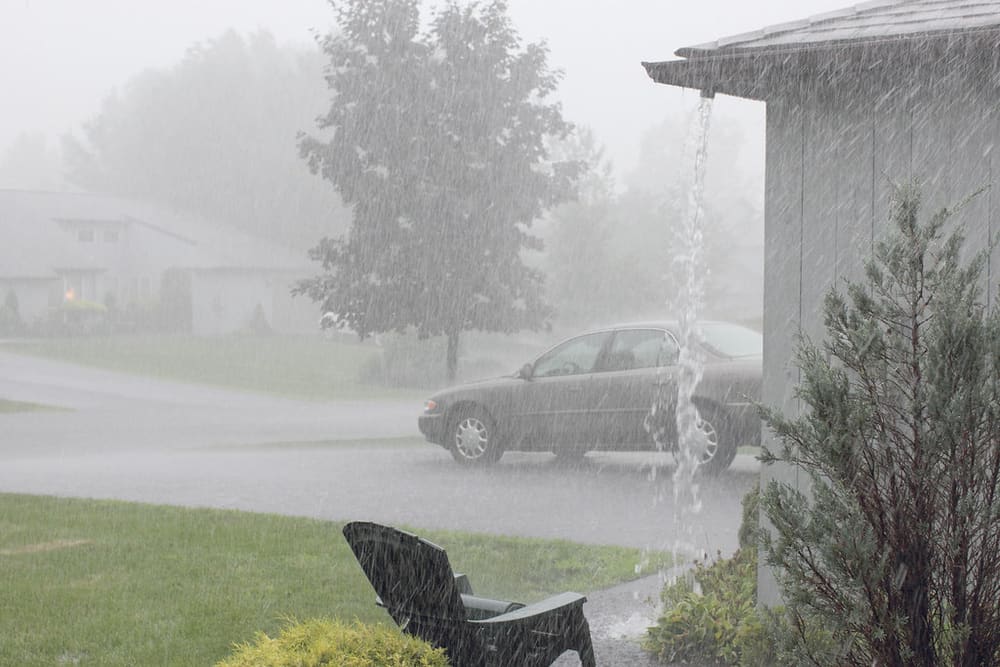
- Wind-driven rain around valleys, vents, and wall transitions.
- Gutter and fascia damage near lanais, pool areas, and entries.
- Tight work windows between guest stays and cleaning schedules.
Owner and manager communication
Absentee owners should send the property address, access instructions, booking calendar windows, interior photos, and approval contacts. If a guest is in the home, safety and privacy control what can be inspected inside.
For storm-related documentation, keep the scope factual: visible roof conditions, photos, repair method, and timing. Coverage and policy questions belong with the insurer.
Tile appearance can hide the real repair
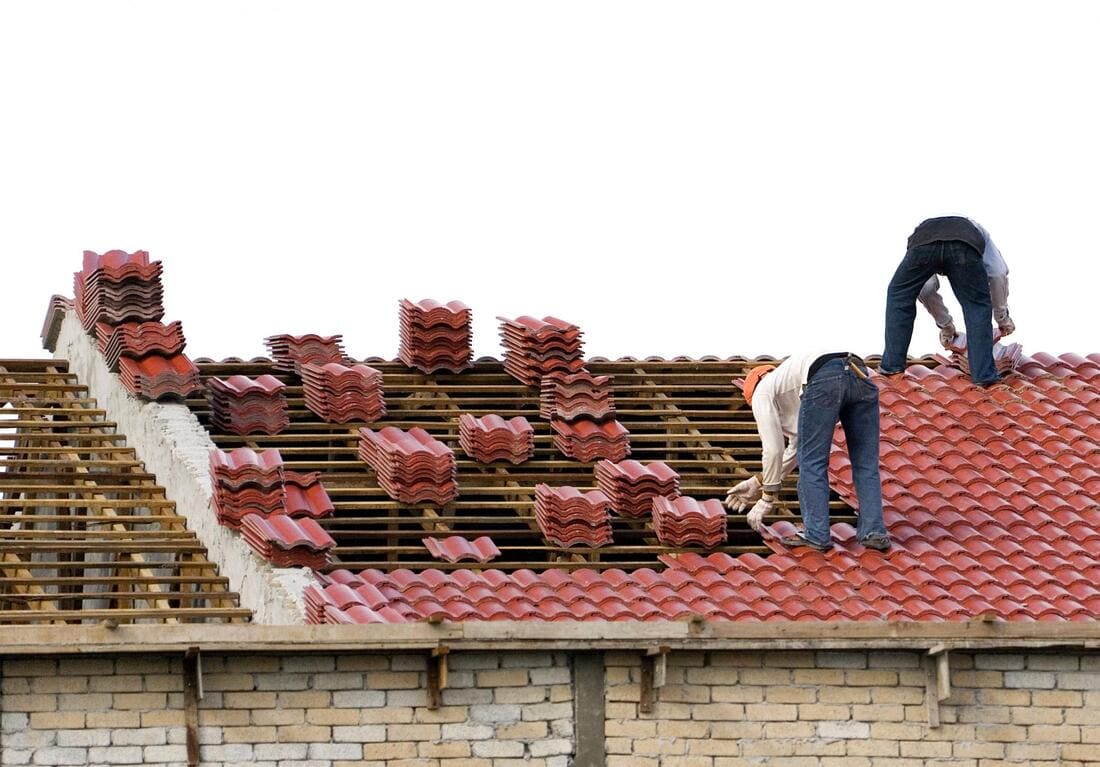
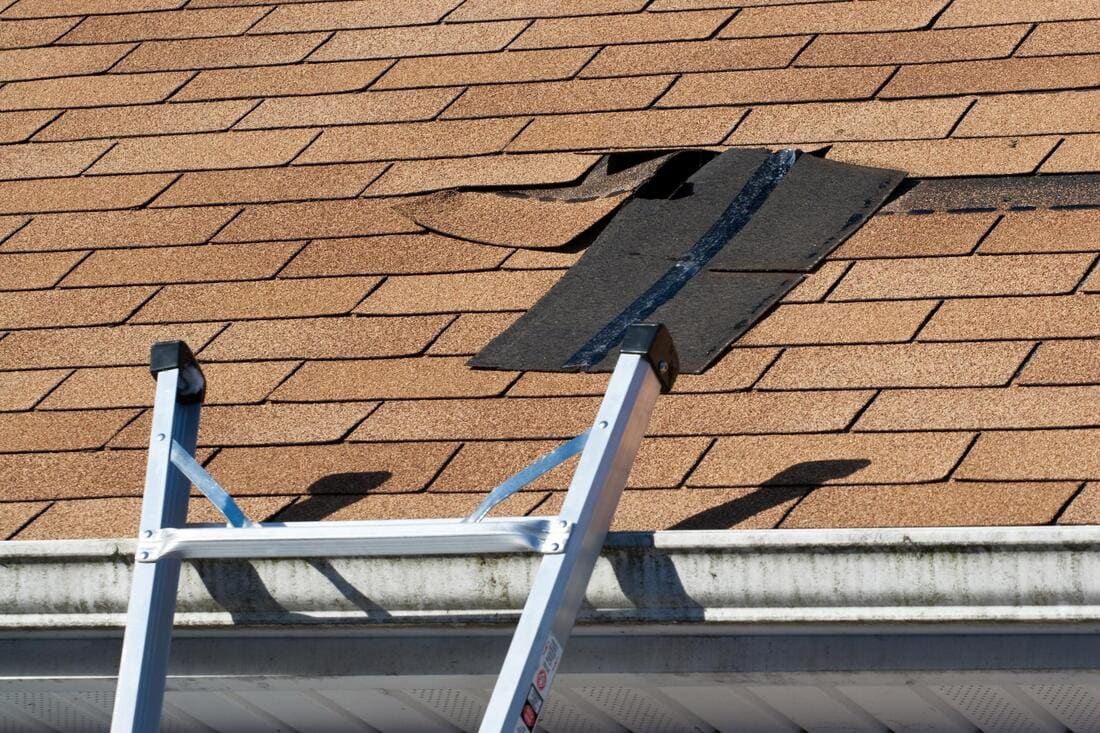
Concrete tile can remain intact after the underlayment below it begins to fail. A stain does not automatically mean all tile needs replacement, and one cracked piece does not prove it is the only water path. The contractor may need to lift serviceable tile, inspect the barrier around a valley or penetration, repair that layer, and reset the field.
Ask the proposal to identify matching limits, likely breakage during access, underlayment area, and how the repaired section connects to surrounding material. That detail is especially useful for an owner reviewing the decision from outside Central Florida.
A booking gap is a constraint, not a diagnosis
Guest checkout and cleaning windows help set access, but the roof condition decides how much work is realistic. A photo-backed inspection may fit a short opening. A localized leak repair needs material and weather confirmation. Full replacement requires delivery, tear-off, permit steps, cleanup, and buffer time that should not be compressed into a promise around one turnover.
If active water threatens the next occupancy, ask about temporary dry-in first. That work should protect the opening until a permanent scope can be completed; it is not a substitute for returning after safe inspection.
Residents and remote owners receive the same roof facts
A full-time resident can show the ceiling symptom and discuss attic access on site. A remote owner needs the room name, a wide interior image, a close stain image, roof-plane photos, and a written summary delivered to the person authorized to decide. Managers should know who receives the quote and who can approve entry before the appointment.
Call (321) 321-1909 with the address, roof material, parking and gate details, occupancy, and the next available access window. Keep guests and cleaners off tile, ladders, and screen-enclosure roofs while gathering information.
We use that access window to document conditions, not to guess. The owner receives the affected plane, interior mark, roof material, and follow-up requirement in one record before permanent work is scheduled.
Kissimmee Roof Pros
(321) 321-1909