How often should a Kissimmee roof be maintained?
Many homes benefit from a pre-rainy-season check and another look after major weather. Roof age, tree cover, material, and rental use can change the frequency.
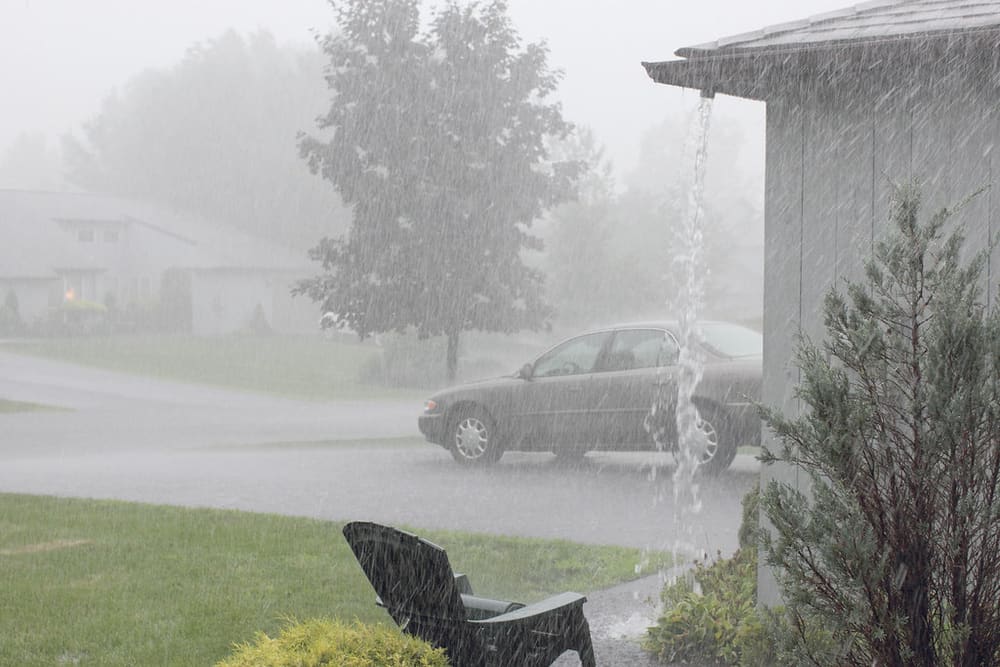
Roof maintenance in Kissimmee is about finding repairable weak points before repeated summer rain reaches them. Intense UV, daily heat cycling, humidity, algae, near-daily afternoon thunderstorms, and tropical bands work on sealants, ridge details, drainage, tile, and shingle edges in different ways.
Maintenance is not a way to make a worn-out roof new again. It is useful when the roof still has service life and needs practical attention around penetrations, drainage, roof edges, ventilation, and minor damaged pieces.
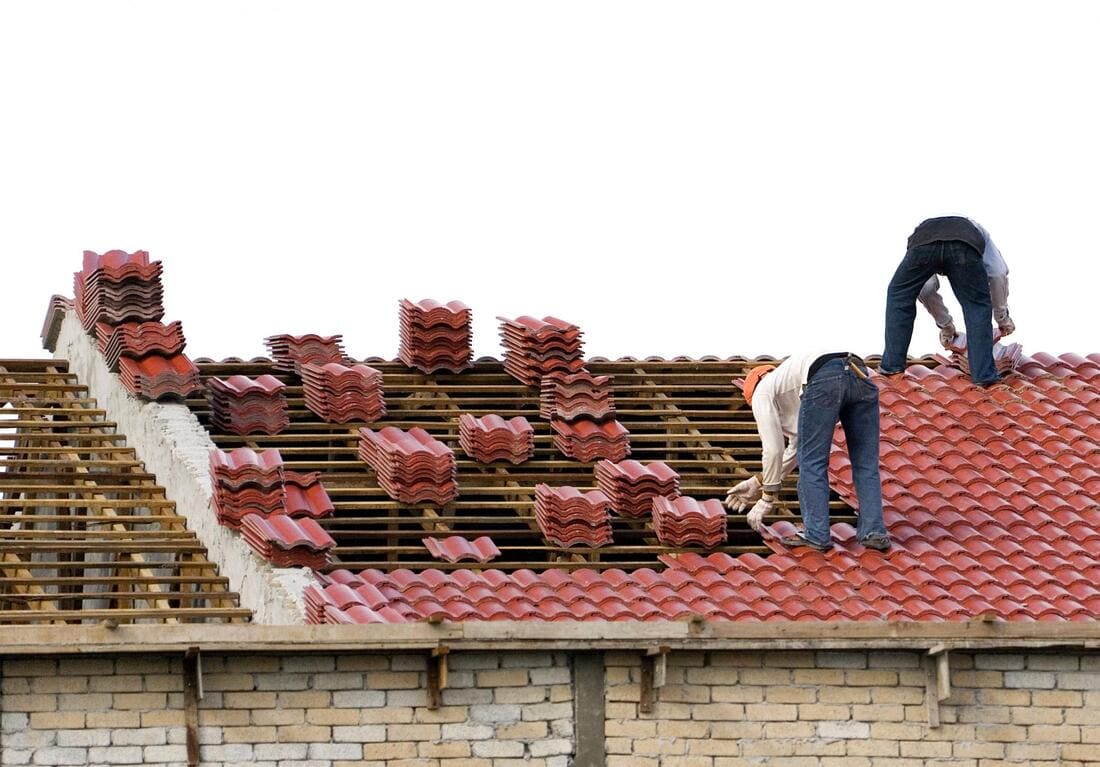
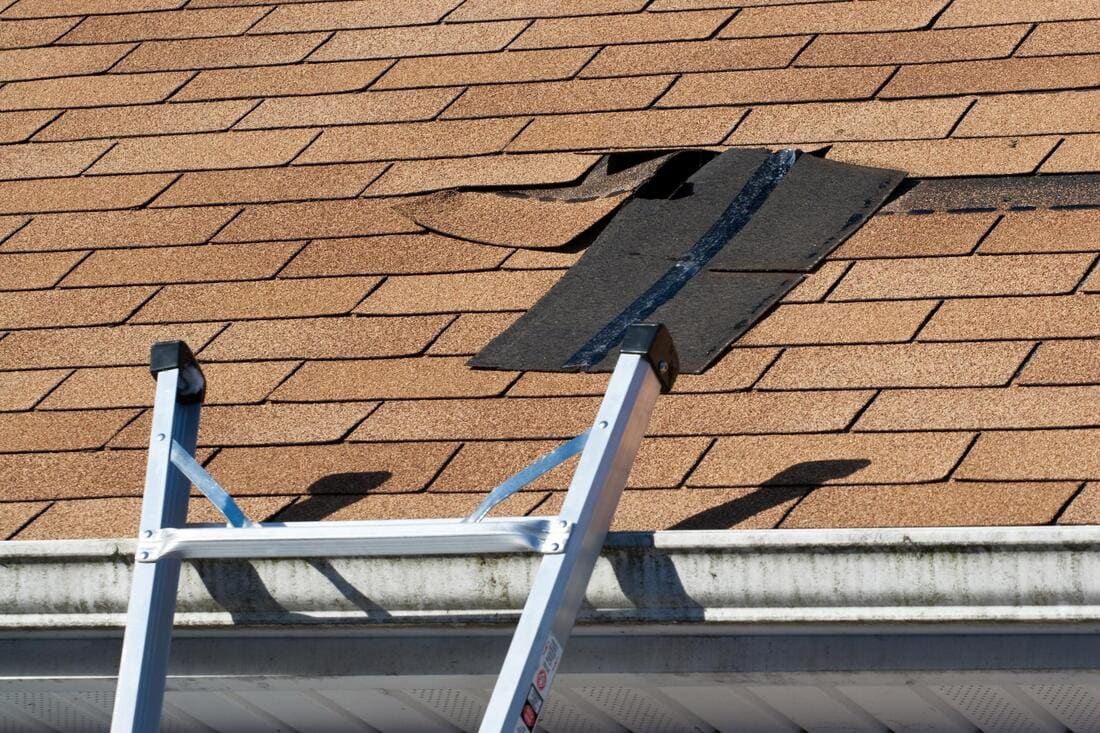
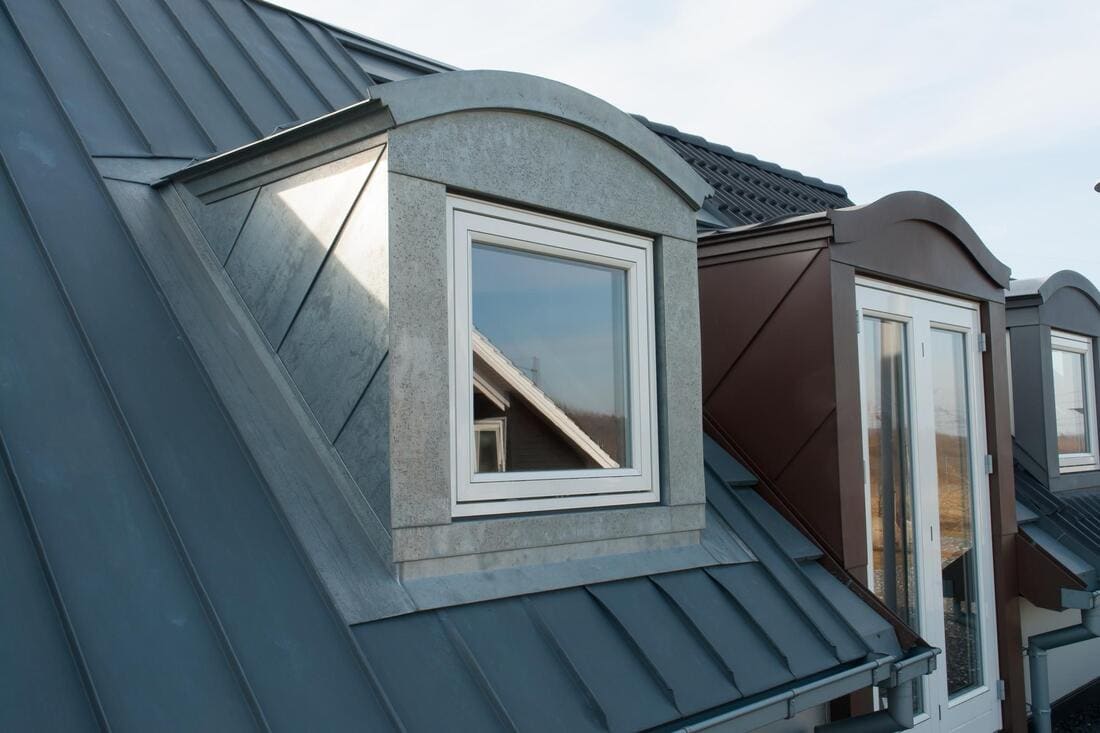
Concrete tile can look durable while underlayment quietly ages below it. Maintenance should avoid careless foot traffic and focus on visible cracks, displaced tile, valleys, and penetrations. Asphalt shingles need attention to lifted tabs, exposed nails, ridge wear, and granule loss. Metal sections need seam, fastener, and wall-transition checks.
A maintenance visit should end with priorities. Some items can wait for a seasonal repair window; active openings, soft decking, and roof-edge water damage should move faster.
Rental properties benefit from pre-season checks because small roof issues can become guest interruptions. Hurricane season runs June 1 through November 30, so owners can use late spring as a planning deadline for roof, gutter, and exterior checks. After severe weather, manager or cleaner reports of stains, loose pieces, or overflowing drainage should trigger a condition review.
The contractor can note which issues are cosmetic, which are maintenance, and which need a repair quote. That separation helps absentee owners approve the right work without turning every note into a major project.
The first category is active water control: open flashing, displaced covering, split boots, soft fascia, or a drainage failure that is sending water behind the eave. Those items should move into roof leak repair. The second category is near-term upkeep, such as debris removal or a minor sealant detail. The last category is monitoring, supported by dated photos so change can be measured instead of guessed.
Tile roofs need careful foot-traffic planning because walking can break pieces and still reveal little about underlayment hidden below. Shingle checks focus on bonds, fasteners, ridge wear, and granule condition. Gutters and downspouts should be evaluated with the roof-edge drainage path, including where discharge lands near entries, lanais, or landscaping.
If several slopes show brittle shingles, repeated leaks, or broad tile-underlayment concerns, maintenance is no longer the honest category. Move to a documented condition review and compare repair with replacement. Call (321) 321-1909 with the roof material, last known work, access notes, and any interior symptoms.
Many homes benefit from a pre-rainy-season check and another look after major weather. Roof age, tree cover, material, and rental use can change the frequency.
Algae is often cosmetic, but moisture, debris, and shaded roof areas can hide other problems. Cleaning methods must match the roof material so shingles or tile are not damaged.
No maintenance visit can prevent severe storm damage. Good maintenance can reduce avoidable weak points such as loose flashing, clogged drainage, and exposed fasteners.
When leaks repeat, underlayment is broadly aged, shingles are brittle, or decking concerns spread beyond a localized area, replacement planning is more honest than repeated tune-ups.
Kissimmee Roof Pros
(321) 321-1909Ask for a prioritized maintenance list so urgent roof issues do not get buried beside cosmetic items. Add a target date for the next documented condition check.