Replacement guidance for aging shingle roofs, tile underlayment, repeated leaks, roof-age reviews, ventilation corrections, and permit-ready scopes.
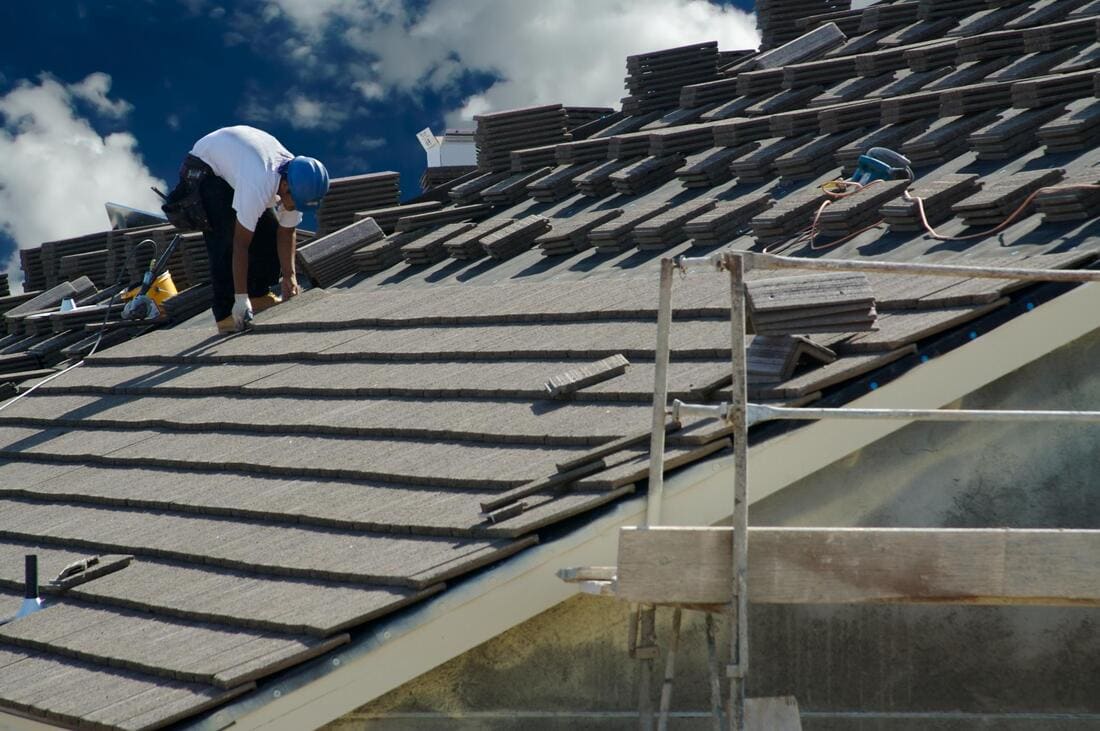
Roof replacement in Kissimmee becomes the better discussion when repairs keep moving from one slope to another, tile underlayment is nearing the end of its useful life, shingles have become brittle, or a roof-age review is creating pressure to document the system. The assigned contractor should show why replacement is being recommended instead of treating every leak as a sales opening.
Central Florida replacement planning is not one-size-fits-all. Kissimmee homes include asphalt shingles in newer subdivisions, concrete tile around resort and HOA corridors, metal accents, low-slope additions, and older homes with ventilation or decking issues that should be corrected during tear-off.
When repair stops making sense
Leaks are appearing in multiple rooms or on different roof planes.
Tile underlayment is aged, exposed, or failing across broad sections.
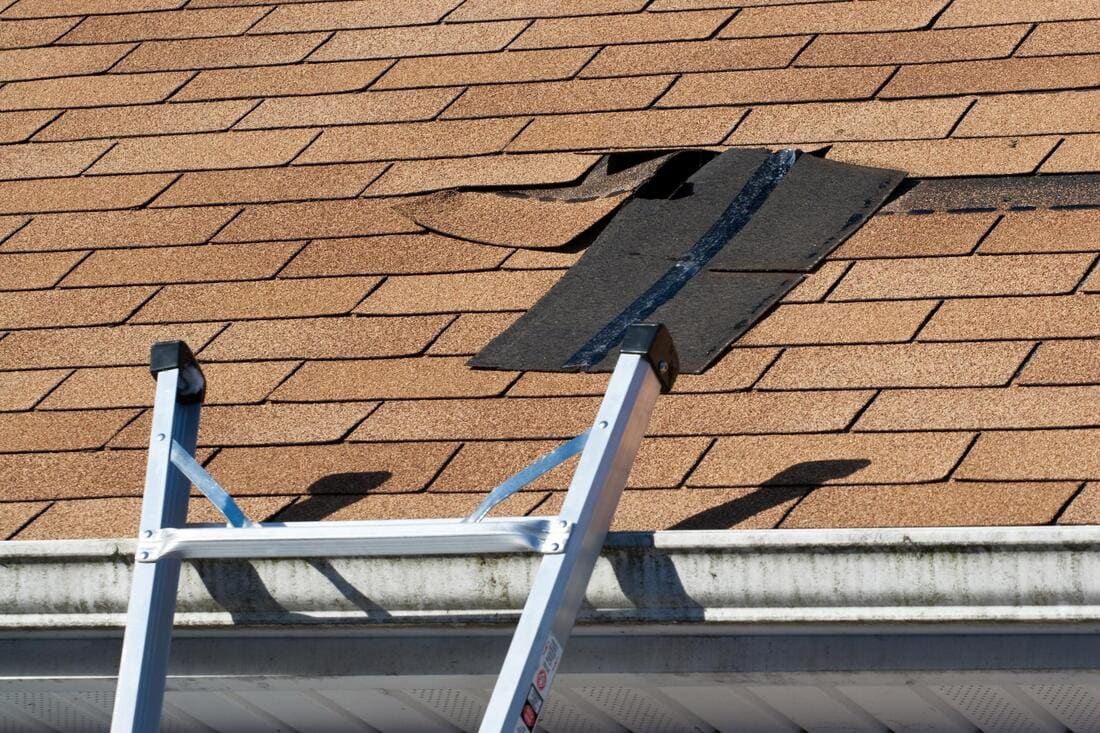
Shingles are curling, cracking, losing granules, or tearing during minor repairs.
Decking is soft in more than one localized patch.
The roof needs major work before a property sale, rental turnover plan, or insurer roof-age review.
Material choices in the Kissimmee market
Architectural asphalt remains common because it is familiar, widely available, and easier to repair than many specialty systems. Concrete tile is common in HOA and resort-adjacent neighborhoods, but replacement pricing depends heavily on underlayment, tile profile, access, and matching. Metal roofing can be a good long-term option when the structure and budget support it, especially for homeowners focused on wind performance and lower routine maintenance.
The quote should describe tear-off, underlayment, ventilation, flashing, drip edge, decking allowances, cleanup, permit handling, and material lead times. If solar, gutters, screen enclosures, or pool cages touch the roof plan, those coordination items belong in the written scope.
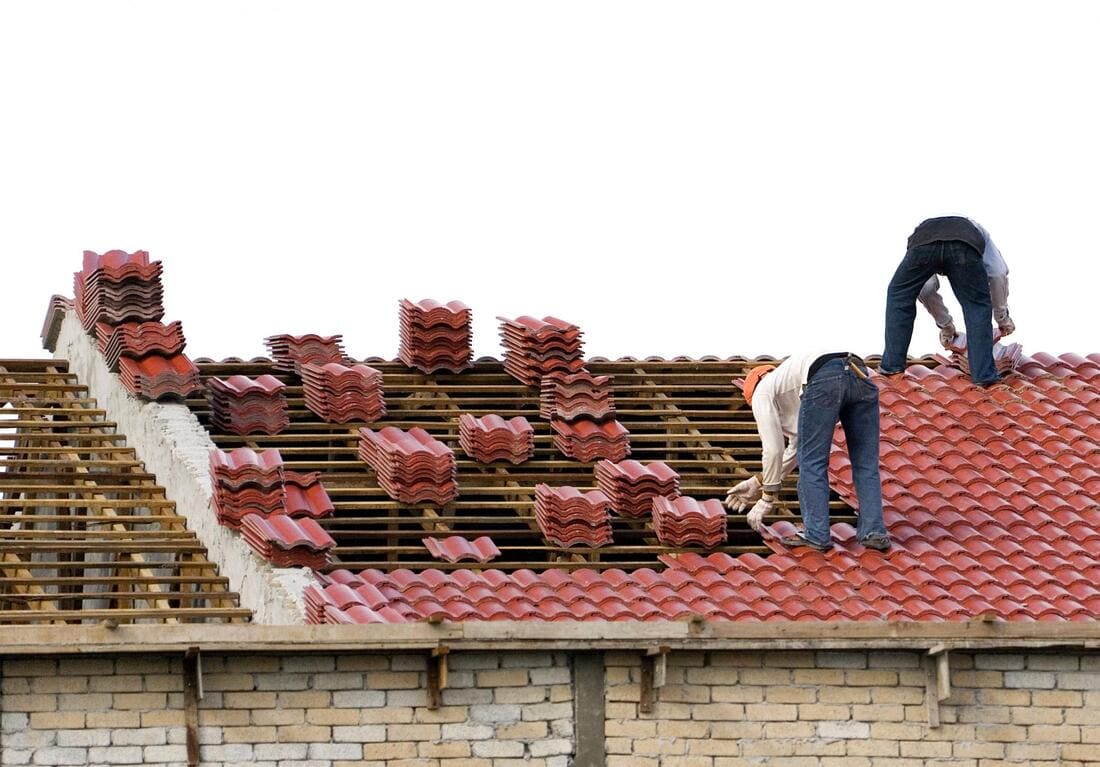
Tile deserves a separate underlayment conversation. Concrete pieces may remain serviceable after the water barrier below them has aged. Depending on the inspected condition, work can involve lifting and resetting usable tile, replacing broken pieces, or changing the roof covering as part of a broader underlayment project. Discontinued profiles can make matching and breakage allowances more important than the roof looks from the ground.
Replacement planning should account for underlayment, ventilation, flashing, and access before pricing is final.
Permits, wind mitigation, and documentation
The assigned contractor verifies City of Kissimmee, Osceola County, or other applicable permit requirements for the actual address and scope before replacement or structural repair begins. Permit fees should not be guessed from an unrelated project or a general web page.
Wind-mitigation paperwork may involve a separate qualified inspector. A roofing contractor can help by preserving roof photos, material details, permit information, and closeout documents so the homeowner has a clear record after the job.
Build a replacement decision you can audit later
Start with the evidence collected during a roof inspection: leak locations, condition by plane, tile or shingle wear, visible underlayment, decking concerns, and prior repair history. Then compare that record with the focused options on the leak repair guide. Replacement should win because the roof-wide condition supports it, not because a minor stain was treated as proof by itself.
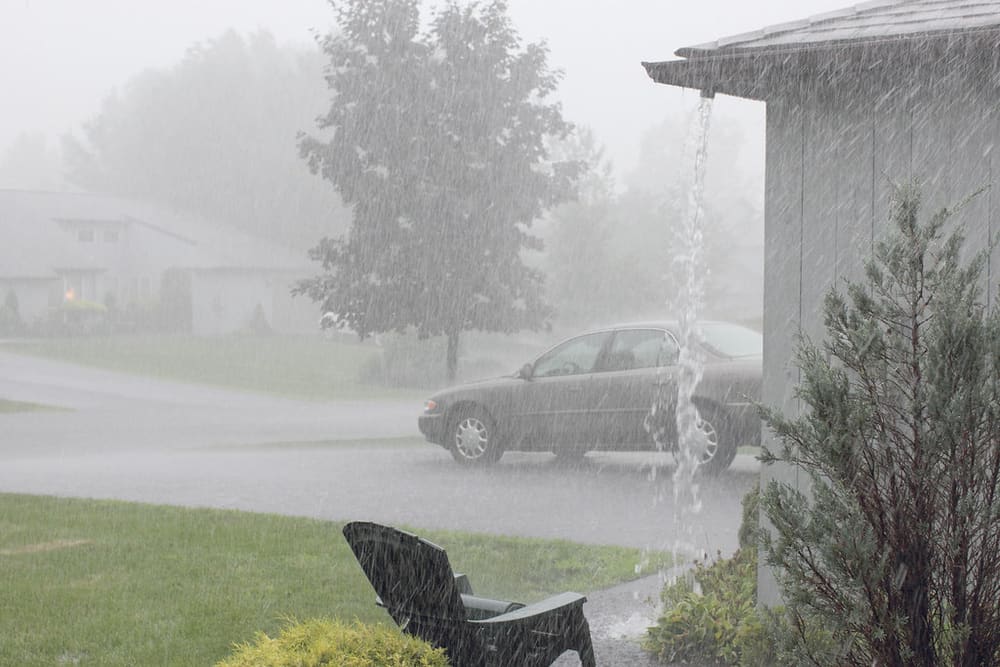
Residents should plan for delivery space, noise, exterior access, and weather. Rental owners need those same details plus guest notices, manager authority, parking, gate entry, and buffer days around turnover. A same-day calendar assumption leaves no room for tear-off findings, permit steps, or summer rain.
Before signing, ask for the serving contractor’s CCC number and verify it through “Verify a License” at myfloridalicense.com. Compare the itemized quote with the Central Florida price ranges, then confirm material, underlayment, ventilation, decking allowances, cleanup, and warranty terms in writing.
Roof Replacement Kissimmee FL FAQs
How much does roof replacement cost in Kissimmee?
Many architectural asphalt replacements land around $11,000 to $28,000, while tile replacement or underlayment-heavy work can run about $18,000 to $45,000. Size, pitch, access, decking, material, and permit requirements set the final number.
Is tile replacement always necessary when tile underlayment fails?
Not always, but underlayment work can be labor-heavy because tile must be lifted or replaced in the work area. The contractor should explain whether a localized repair or broader reroof is practical.
Can a roof be replaced between rental bookings?
Sometimes, but full replacement needs realistic scheduling for material delivery, tear-off, inspections, cleanup, and weather delays. Rental owners should plan with buffer days rather than a same-day turnover assumption.
Who verifies permit requirements?
The assigned contractor verifies the correct city or county permit path for the actual address and scope before work starts.