Is an emergency tarp the final repair?
No. A tarp or dry-in is temporary protection. The roof still needs a permanent repair scope once the surface can be inspected safely.
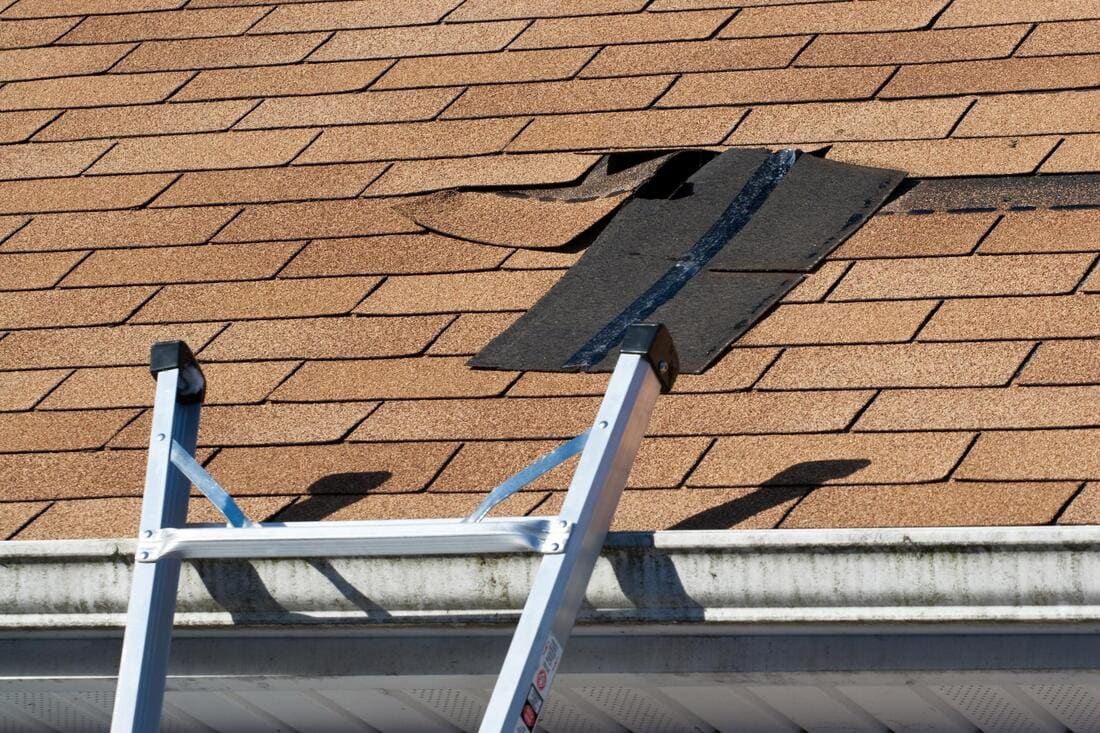
Emergency roof repair in Kissimmee is for situations that cannot wait through the next rain cycle: water entering living space, missing roof covering, tree debris, open decking, or a leak above electrical fixtures. Call (321) 321-1909 with the address, roof material, visible damage, and whether water is still moving inside.
The first goal is stabilization. A tarp, temporary flashing, or dry-in may be the correct first visit, with permanent repair scheduled after weather, safety, and material needs are clear.
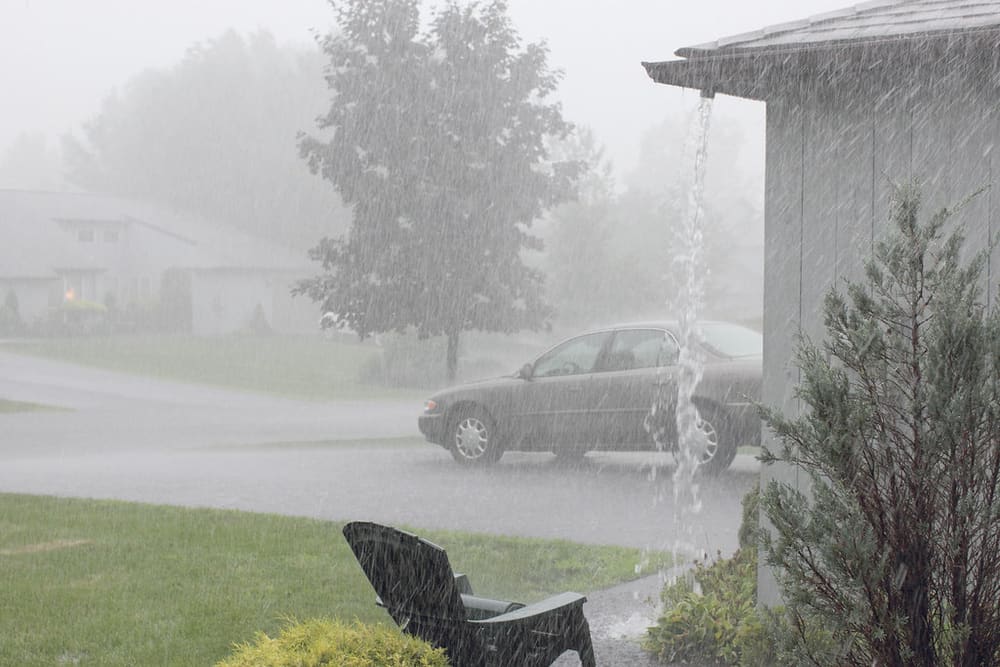
A dry-in is temporary weather protection. It is useful after a tropical band, sudden thunderstorm, or wind event when the roof cannot be fully opened and rebuilt the same day. The contractor should explain what the temporary work covers, what it does not cover, and when the permanent repair inspection can happen.
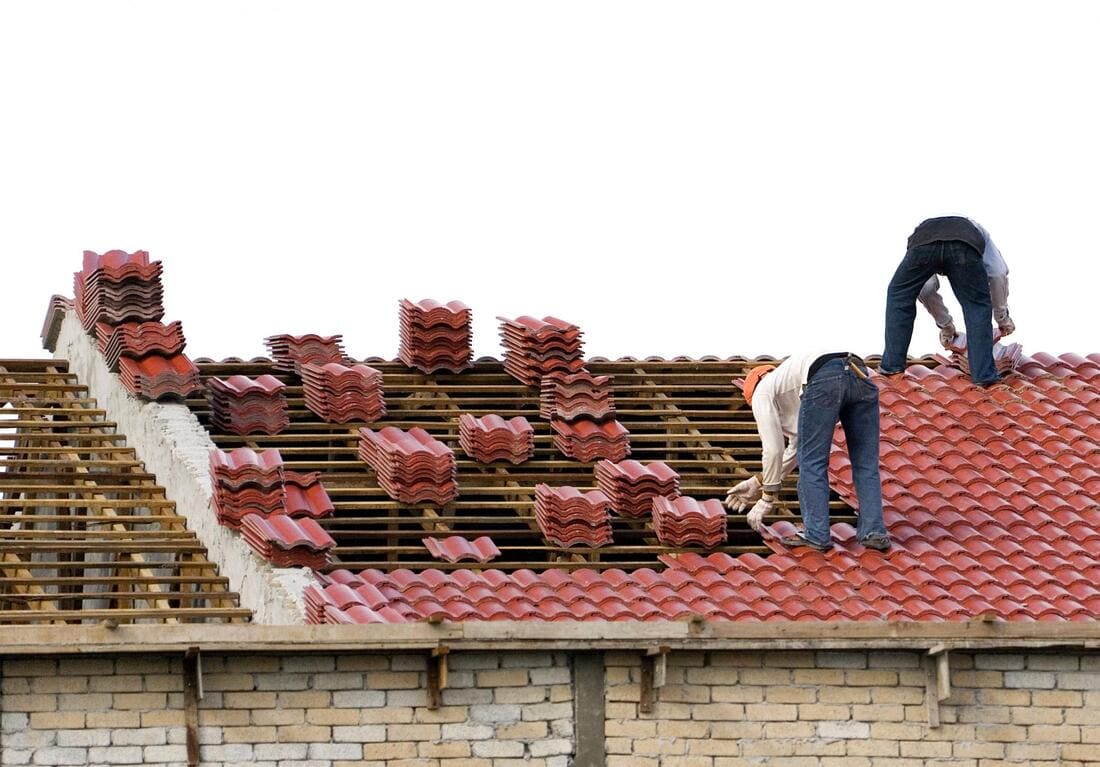
Permanent repair may involve replacing shingles, resetting tile, rebuilding flashing, patching decking, correcting a valley, or moving into replacement planning when the roof surface is too compromised for a local fix.
Hurricane season runs June 1 through November 30. After broad weather, the most urgent calls are active interior water, open roof areas, vulnerable occupants, and homes exposed before another rain band. Rental properties with guest occupancy are time-sensitive too, but wind, lightning, wet surfaces, and safe access still control ladder work.
If roads are blocked or wind remains unsafe, the contractor may gather photos and access details first, then dispatch when conditions allow. Honest timing is better than a promise that cannot survive Central Florida weather.
Temporary protection buys time; it does not identify every wet layer below the opening. During follow-up, the contractor checks whether shingles tore at fasteners, tile shifted or cracked, underlayment opened, flashing pulled loose, or decking softened. The written scope should state what temporary material will be removed and how the permanent repair connects to the surrounding roof.
If the opening is small and nearby material remains serviceable, move into focused leak repair. If several planes are affected or tile underlayment has failed across a broad area, review replacement planning. The cost guide lists a typical $400-$1,100 emergency dry-in separately from permanent repair ranges so the two decisions are not confused.
For a vacation home, send the owner the stabilized-area photos, interior moisture location, next safe inspection window, and any access change required for permanent work. For an occupied home, keep people out from under sagging or wet ceiling material and wait for qualified help before opening it. Call (321) 321-1909 again if the protected area begins taking water.
No. A tarp or dry-in is temporary protection. The roof still needs a permanent repair scope once the surface can be inspected safely.
Often, but the method depends on slope, tile condition, and access. Walking on wet or brittle tile can create more damage, so the contractor chooses the safest practical stabilization method.
Provide the address, roof material, access details, where water is entering, whether anyone is currently in the home, and photos from the ground or interior.
Urgent dry-ins can cost more because of timing, weather, access, and temporary materials. Permanent repair pricing is confirmed separately in a written scope.
Kissimmee Roof Pros
(321) 321-1909For active water entry, focus on safety and stabilization before discussing cosmetic repairs.